
The KonMari Method: Spark Joy in Every Room
Marie Kondo's five-step process explained with practical examples for UK homes. We've broken down how to actually apply it without getting overwhelmed.

Why the KonMari Method Actually Works
You've probably heard about it. Friends mention it. Instagram feeds showcase perfectly folded clothes. But here's the thing — the KonMari Method isn't just about organizing your stuff. It's about changing how you think about what you own.
Marie Kondo didn't invent decluttering. What she did was create a system that focuses on one radical idea: keep only what sparks joy. Sounds simple? It's actually transformative. We've seen people spend years organizing by category, buying storage solutions, only to end up with more clutter. The KonMari Method flips that approach entirely.
This guide breaks down her five-step process into practical, actionable steps you can apply to your UK home right now. No expensive organizing systems required. Just you, your belongings, and a clear method.

The Five Steps of the KonMari Method
Commit to Change Your Life
This isn't about decluttering your home. It's about changing your relationship with your possessions. You need to genuinely want to do this. It's not a chore if you're motivated by the outcome — a home filled with things you actually love.
Visualize Your Ideal Lifestyle
Spend time thinking about what you actually want your home to feel like. Not what magazines show. Not what your mum thinks. Your ideal life. Do you want cozy and minimal? Creative and full of materials? Calm and spacious? This vision guides every decision you'll make.
Tidy by Category, Not by Room
This is where most people get it wrong. Don't organize one room at a time. Instead, gather every single item in a category (all your clothes, all your books, all your kitchen items) into one place. You'll be shocked at how much you actually own. The categories go in this order: clothes, books, papers, komono (miscellaneous items), and sentimental items.
Ask: Does This Spark Joy?
Hold each item. Feel it in your hands. Does it spark joy? Not "might I need this someday?" or "was this expensive?" Pure joy. That feeling in your chest when you see something you love. If it doesn't spark joy, thank it for its time in your life and let it go. Gratitude makes the process feel less harsh.
Store Items Properly
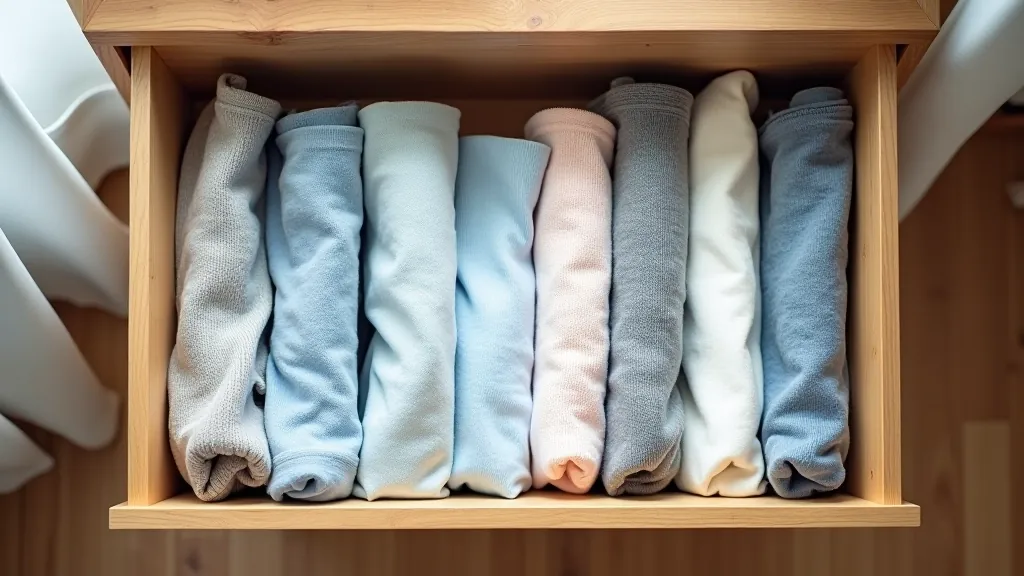
Once you've kept only what sparks joy, organize what remains. Everything needs a home. The famous KonMari folding method works brilliantly for clothes — items stand upright so you can see everything. Storage isn't about buying organizing systems. It's about respecting what you keep by giving it a proper place.
Making It Work in Your UK Home
The theory sounds brilliant. The reality can feel overwhelming. Here's what we've learned from working with UK households: the method works, but you've got to adapt it to your space and lifestyle.
Common Challenge: "I Live in a Small Flat"
You can't gather all your clothes in one pile if you've got a studio flat. Work category by category, but in smaller batches. Do your winter clothes, then summer clothes. Your method doesn't change — your execution does.
The timeline matters too. Don't try to KonMari your entire home in a weekend. Kondo herself recommends 6 months for a typical household. You're not just sorting — you're making hundreds of decisions about what brings you joy. That takes time. Realistic timeline for a three-bedroom UK home? Eight to twelve weeks if you're working at weekends.
Storage solutions come last, not first. This is crucial. Buy organizing boxes only after you've decluttered. Too many people buy storage, fill it with things they don't love, and feel trapped again.

Practical Tips That Actually Help
Keep Sentimental Items for Last
Don't start with photos, letters, and gifts. These are emotionally loaded. Build confidence by decluttering clothes and books first. By the time you reach sentimental items, you'll have clearer judgment.
Say Thank You to What Goes
It sounds odd, but it works. Hold the item, acknowledge the role it played in your life, thank it, then let it go. This removes guilt and makes the process feel respectful rather than wasteful.
Have a "Maybe" Box
If you're genuinely unsure about an item, put it in a box and seal it. Come back in six months. If you haven't needed it, you know it doesn't spark joy. This removes decision paralysis.
Donate Mindfully
UK charity shops like Oxfam and British Heart Foundation love good-quality items. Research local charities that align with your values. Knowing your clothes have a second life makes the process feel meaningful.
Set Regular Maintenance Days
After you've decluttered, you don't go back to old habits automatically. Schedule one maintenance session per month. It takes an hour. You'll keep the joy alive.
Trust the Joy, Not the Logic
Your brain will try to convince you to keep things. "But it was expensive" or "I might wear it someday." Ignore that. Joy is the only criteria. It's weird at first. It becomes liberating.
Related Guides You'll Find Helpful


Your Joyful Home Starts Now
The KonMari Method isn't revolutionary because Marie Kondo invented decluttering. It's powerful because it flips the question from "What should I throw away?" to "What do I want to keep?" That mindset shift changes everything.
You don't need to be perfect. You don't need to own nothing. You don't need minimalist Instagram aesthetics. You just need to surround yourself with things that make you feel good. That's genuinely transformative.
Start small if you need to. Organize your wardrobe this weekend. See how it feels. Experience what sparks joy actually means. Then expand from there. Six months might seem long, but you'll spend those six months learning to love your space again. That's worth the time.
Important Information
This article provides educational information about home organization and decluttering methods inspired by the KonMari Method. It's intended to help you understand organizational principles and approaches. Results and experiences vary based on individual circumstances, space constraints, and personal preferences. The specific techniques and timeline described here are guidelines and should be adapted to suit your home, lifestyle, and needs. Always consider your local council guidelines when donating items or arranging large waste disposal.