

The KonMari Method: Spark Joy in Every Room
Marie Kondo's five-step process explained with practical examples for UK homes. Learn how to keep only what sparks joy and organize what remains.
Making your space actually work for how you live. We'll cover storage solutions, layout principles, and small changes that make a real difference in daily life.

A well-planned space isn't just prettier—it's more functional. When everything has a home and your layout supports how you actually live, you'll notice the difference immediately. Less time searching for things. Less frustration. More usable square footage.
The good news? You don't need a designer or a huge budget. You need a framework. Whether you're working with a 600 sq ft flat or a family home, the principles are the same. It's about understanding your needs, measuring carefully, and making intentional choices about where things go.
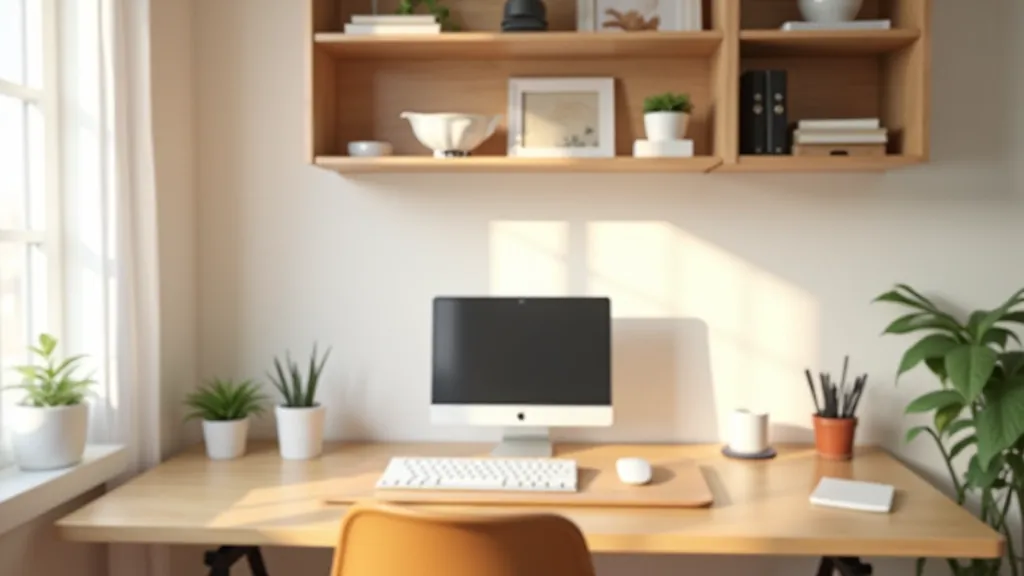
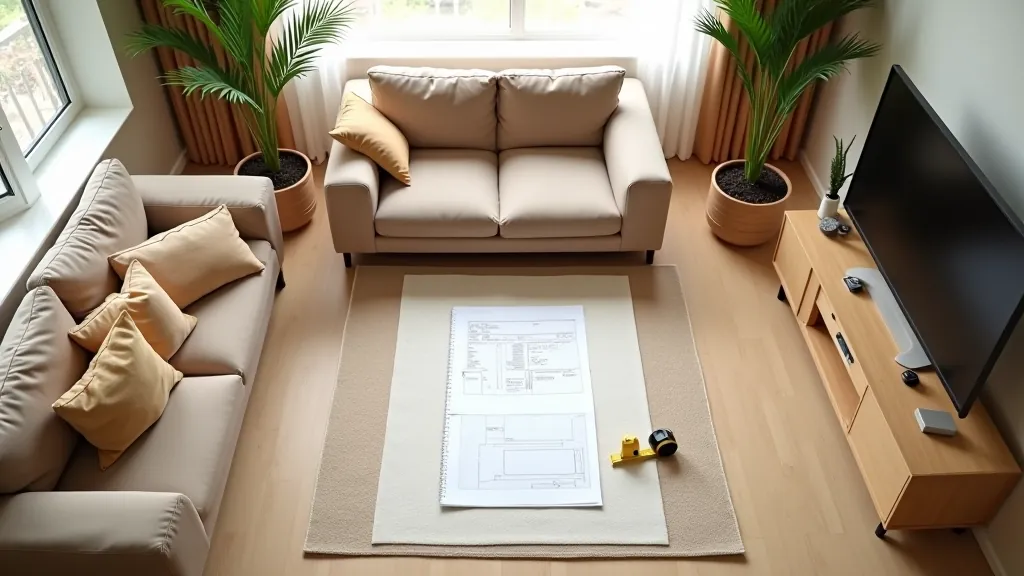
Every room has a purpose—or multiple purposes. Define these zones before you place anything. Your kitchen needs a prep zone, cooking zone, and storage zone. Your bedroom needs a sleep area, getting-dressed area, and maybe a workspace. Once zones are clear, furniture placement becomes obvious.
Imagine walking through your space with your eyes closed. Are there obstacles? Does the natural path from door to destination feel smooth? Poor traffic flow creates invisible friction—you'll feel it every day, even if you can't name it. Clear pathways should be 24-30 inches wide minimum.
Items you use daily go in the easiest-to-access spots. Weekly items on the next level. Monthly or seasonal? That's when you go higher, lower, or further back. We're not being dramatic—this principle alone will save you dozens of hours every year. Your most-used spice goes in the most accessible cabinet. Your fancy serving platter goes up high.
Let's talk about what actually works. Vertical storage is your friend in any space. Wall-mounted shelving, tall bookcases, hanging racks—they all expand your capacity without eating floor space. But don't just mount things randomly. Group like items together. Label everything clearly, especially if you share the space with family members.
The 80/20 Rule: You'll use 20% of your items 80% of the time. Plan your storage around those high-frequency items first. Everything else gets secondary spots.
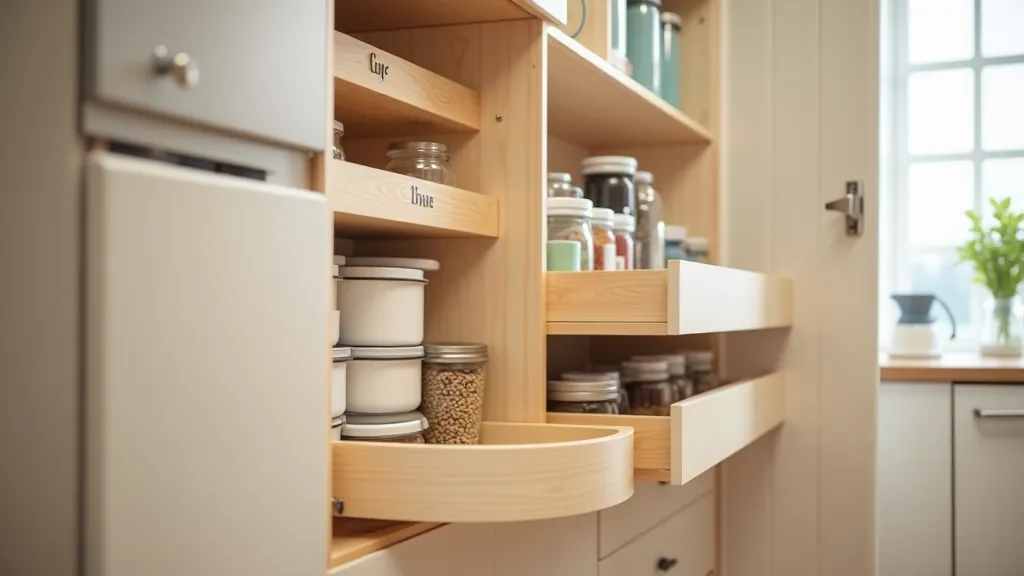
Drawer dividers, shelf risers, and clear containers transform dead space into organized real estate. A 60cm cupboard suddenly holds twice as much when you're using the full height with stackable storage. Under-bed storage containers, over-door racks, corner shelving units—these aren't luxuries, they're problem-solving tools.
And here's the honest part: storage solutions work only when they match your habits. If you hate hanging things, wall racks won't help. If you never remember to file things away, open baskets beat hidden cabinets. Design around how you actually live, not how you think you should live.

This isn't optional. Grab a tape measure and document your space. Width, depth, height—all of it. Measure your doorways (furniture needs to fit through). Measure ceiling height. Measure the distance between electrical outlets and windows. This takes 20 minutes and prevents costly mistakes.
Standard kitchen counter height is 36 inches. Standard shelf spacing for books is 10-12 inches. Standard closet rod height is 65 inches for single-hang and 35-40 inches for double-hang. These aren't random numbers—they're based on how humans actually use spaces. Know these baseline measurements before you install anything.
You don't need fancy software. Graph paper works perfectly. Draw your space to scale (1 inch = 1 foot is simple math), then sketch in furniture and storage placement. You'll catch problems before you drill holes or rearrange heavy pieces.
Real measurements also help when you're shopping. You'll know exactly what size shelving unit fits that awkward corner. You'll know whether that sofa actually works in your layout. No more guessing. No more returns.


You don't need to redesign your entire home tomorrow. Pick one room or even one area—your kitchen, bedroom, or workspace. Apply these principles: define your zones, understand your traffic flow, organize by frequency, measure carefully, and implement smart storage solutions.
The beauty of functional space planning is that it compounds. Once you've got one area working perfectly, you'll see what's possible. You'll have momentum. And you'll save yourself years of frustration by being intentional from the start. That's the real payoff—not just a prettier space, but a space that works harder for you.
This article provides general information about space planning principles and home organization techniques. The suggestions and strategies outlined are for educational purposes and may not suit all spaces, situations, or individual needs. Always consult with a professional interior designer, architect, or surveyor before making structural changes, installing fixtures, or purchasing large furniture items. Results will vary based on your specific circumstances, space constraints, and personal habits. We recommend testing ideas on a small scale before committing to major changes.